
Introduction
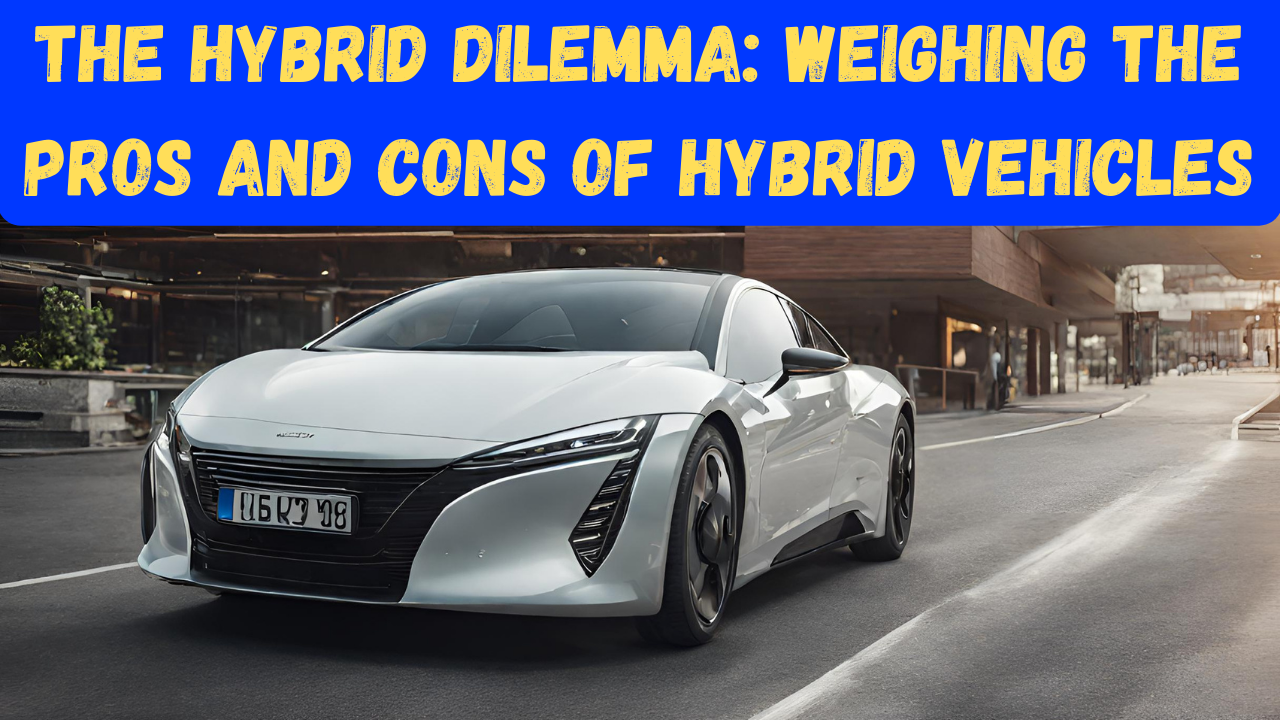
In recent years, hybrid vehicles have gained significant traction as environmentally conscious consumers seek alternatives to traditional combustion engines. The market has witnessed a surge in hybrid models, reflecting a growing awareness of the impact of transportation on the environment. In this article we are going to talk about: The Hybrid Dilemma: Weighing the Pros and Cons of Hybrid Vehicles
Advantages of Hybrid Vehicles
- Fuel Efficiency and Cost Savings
One of the primary advantages of hybrid vehicles is their impressive fuel efficiency. By seamlessly switching between the combustion engine and electric motor, hybrids optimize fuel consumption, translating into substantial cost savings for drivers.
- Environmental Benefits
Hybrid vehicles contribute to environmental conservation by producing fewer emissions compared to their conventional counterparts. The integration of electric power reduces the overall carbon footprint, aligning with global efforts to combat climate change.
- Government Incentives
Governments worldwide encourage the adoption of hybrid technology by offering various incentives. These may include tax credits, rebates, and access to carpool lanes, making hybrid vehicles an attractive option for environmentally conscious consumers.
Types of Hybrid Vehicles
Hybrid technology comes in different forms, each with its unique characteristics. Understanding these types can help consumers make informed decisions based on their driving preferences and needs.
- Series Hybrid
In a series hybrid, the combustion engine acts solely as a generator to recharge the batteries, while the electric motor drives the wheels. This configuration enhances fuel efficiency by allowing the engine to operate at its optimal RPM.
- Parallel Hybrid
Parallel hybrids use both the combustion engine and electric motor to drive the wheels simultaneously. This setup provides a balance between power and efficiency, making parallel hybrids a popular choice among consumers.
- Plug-in Hybrid
Plug-in hybrids offer the flexibility of charging the battery externally, providing an extended all-electric range. This feature appeals to users who want to reduce their reliance on traditional fuel sources.
Challenges in Hybrid Technology
While hybrid vehicles offer numerous advantages, certain challenges need to be considered before making a purchase decision.
- Initial Cost
The initial cost of hybrid vehicles tends to be higher than that of traditional cars. However, proponents argue that the long-term savings in fuel expenses offset this higher upfront investment.
- Limited All-Electric Range
Despite advancements in battery technology, hybrid vehicles still have a limited all-electric range compared to fully electric cars. This limitation may pose challenges for individuals with longer commutes or those seeking complete independence from traditional fuels.
- Maintenance Concerns
Hybrid vehicles involve complex systems, including both combustion engines and electric components. This complexity may result in higher maintenance costs, potentially offsetting the initial savings in fuel expenses.
Fuel Efficiency Breakdown
To truly appreciate the fuel efficiency of hybrid vehicles, it’s essential to compare them to their traditional counterparts in real-world scenarios.
Comparing Hybrid and Traditional Vehicles
Studies show that hybrid vehicles consistently outperform traditional cars in terms of fuel efficiency, especially in city driving conditions. The ability to switch to electric power during stop-and-go traffic enhances overall MPG (miles per gallon).
Real-World Fuel Efficiency Scenarios
In urban environments, where hybrid vehicles can capitalize on frequent starts and stops, drivers experience significant fuel savings. However, the advantage diminishes on highways, where the combustion engine plays a more prominent role.
Environmental Impact
Reducing carbon emissions is a key driver for the adoption of hybrid vehicles, contributing to a more sustainable future.
- Emission Reduction
Hybrid vehicles significantly reduce greenhouse gas emissions, making them a viable option for environmentally conscious individuals. The combination of electric power and efficient combustion engines minimizes the overall impact on air quality.
- Sustainable Driving Practices
Owners of hybrid vehicles can further enhance their environmental impact by adopting sustainable driving practices. This includes maximizing the use of electric power in city settings and minimizing reliance on the combustion engine whenever possible.
Consumer Perspective
Understanding the consumer perspective is crucial in evaluating the overall success of hybrid vehicles in the market.
- Perception of Hybrid Vehicles
Consumer perception plays a pivotal role in the adoption of new technologies. While many view hybrid vehicles positively, some misconceptions persist, such as concerns about battery life, maintenance costs, and long-term reliability.
- Common Misconceptions
Addressing common misconceptions is essential in educating consumers. Many concerns, such as the lifespan of hybrid batteries and the complexity of maintenance, are based on outdated information. Manufacturers have made significant strides in addressing these issues, enhancing the overall reliability of hybrid vehicles.
Technological Advancements
As technology continues to evolve, so does the performance and efficiency of hybrid vehicles.
- Improvements in Battery Technology
One of the critical components of hybrid vehicles is the battery. Ongoing advancements in battery technology contribute to increased energy density, longer lifespan, and faster charging times.
- Enhanced Performance and Range
Modern hybrid vehicles boast improved performance, with some models rivaling the acceleration and range of their traditional counterparts. This evolution has contributed to a shift in consumer preferences towards hybrid options.
Government Policies and Incentives
Global initiatives promote the adoption of hybrid vehicles through various policies and incentives.
- Global Initiatives to Promote Hybrid Vehicles
Governments worldwide are aligning their policies with environmental goals, offering incentives to both manufacturers and consumers. These initiatives aim to accelerate the transition to greener transportation alternatives.
- Tax Credits and Rebates
Tax credits and rebates serve as powerful incentives for consumers to choose hybrid vehicles. These financial benefits not only reduce the initial cost but also contribute to the overall affordability of hybrid technology.
Hybrid Vehicles in the Market
A closer look at the market reveals the growing presence of hybrid vehicles, with several manufacturers offering diverse models to cater to different consumer preferences.
- Popular Models and Manufacturers
Major automotive manufacturers have embraced hybrid technology, offering popular models that cater to a wide range of consumer needs. The availability of hybrid options across various vehicle types, from compact cars to SUVs, reflects the industry’s commitment to sustainability.
- Market Trends and Forecasts
Market trends indicate a continued growth in the hybrid vehicle segment. Forecasts suggest an increasing market share for hybrids, driven by advancements in technology, environmental consciousness, and favorable government policies.
Economic Considerations
Examining the economic aspects of hybrid ownership provides a comprehensive view of the overall value proposition.
- Total Cost of Ownership
While the initial cost of hybrid vehicles may be higher, the total cost of ownership over the vehicle’s lifespan often balances out due to lower fuel expenses and potential tax incentives.
- Resale Value
Hybrid vehicles generally maintain competitive resale values, adding to their appeal for budget-conscious consumers. The demand for used hybrid cars remains robust, further highlighting their enduring value.
- Successful Hybrid Vehicle Adoption Stories
Exploring case studies of individuals and businesses that have successfully integrated hybrid vehicles into their fleets or daily lives provides valuable insights. These stories highlight the positive impact of hybrid technology on both cost savings and environmental consciousness.
- Real-World Experiences
Considering the experiences of everyday drivers provides a nuanced perspective on the pros and cons of hybrid ownership. Real-world scenarios showcase the adaptability and reliability of hybrid vehicles in diverse settings.
Future Trends in Hybrid Technology
The future of hybrid vehicles holds exciting possibilities, with ongoing research and development poised to bring about transformative changes.
- Predictions for Advancements
Industry experts predict continued advancements in hybrid technology, including improvements in battery efficiency, increased all-electric ranges, and enhanced integration with smart infrastructure.
- Integration with Autonomous Driving
The convergence of hybrid technology and autonomous driving is an intriguing prospect. The combination of eco-friendly propulsion and self-driving capabilities could redefine the automotive landscape in the coming years.
Conclusion
In weighing the pros and cons of hybrid vehicles, it’s evident that these eco-friendly alternatives offer a compelling solution to the environmental challenges posed by traditional combustion engines. While challenges exist, technological advancements, government incentives, and changing consumer perceptions contribute to the growing popularity of hybrid vehicles.
FAQs
- Are hybrid vehicles more expensive to maintain than traditional cars?
- While initial maintenance costs may be higher, long-term savings in fuel expenses often offset these costs.
- What is the lifespan of hybrid vehicle batteries?
- Advances in battery technology have extended lifespan, with many hybrid batteries lasting over 150,000 miles.
- Do hybrid vehicles perform well in cold climates?
- Hybrid vehicles are designed to operate in various climates, including cold temperatures, with features to optimize performance.
- How do government incentives for hybrid vehicles work?
- Government incentives may include tax credits, rebates, and access to carpool lanes, varying by location.
- Can hybrid vehicles be charged at home like electric cars?
- Plug-in hybrid vehicles can be charged at home, offering the convenience of electric charging with the flexibility of a combustion engine.